

Mobile phone users are generally grouped into Android and iPhone users. Android is an operating system many mobile devices use, regardless of brand or model. It is backed by Google and used by millions of people worldwide. Android devices come with pre-installed apps such as the messaging app, usually called “Messages” or “Message+.” It allows sending and receiving texts, images, videos, audio recordings, and more. Sometimes though, the Messages app might not work correctly and cause worry to the user.
When an Android message app does not work, users may experience failed message deliveries or cannot receive messages on their mobile devices. Failure of the messaging app could be due to different causes, ranging from connection issues to software-related problems. Learning how to troubleshoot and fix the Anroid messaging app can save you worries and monies from having it repaired by cellphone technicians.
Listed below are 13 Best Ways To Fix Android Message Apps
- Check the Network Connection
- Restart Your Android Phone
- Set Messages as the Default App
- Force Stop Message App
- Reboot the Message App
- Clear the App’s Cache
- Disable Recently Installed App
- Reset the Networks Settings
- Update the Carrier Services
- Update Androids Messaging App
- Reinsert the Sim Card
- Check with the Carrier
- Reset to Factory Settings
1. Check the Network Connection

You might have network connection troubles when you experience message delivery failure or not receiving messages on your Android mobile device. Check the network bars on your phone. If you see one or two bars only, you may need to reboot your device.
To reset your network connection, activate Airplane mode on your device and later deactivate it. See if you’re getting proper signal coverage afterward. You may also check with your network provider if there is a current problem with their service. Otherwise, if that doesn’t work, switch providers to get a more consistent experience in the area.
2. Restart Your Android Phone
In many instances, you can quickly fix any issues with your smartphone by simply restarting it. It will refresh the internal settings and help eliminate pesky bugs preventing your messaging app’s working correctly. Take a few minutes now and then for this simple but life-saving trick.
To get your phone going again:
- Press the power button until you spot the restart option on your screen.
- Tap it, then wait for your device to reboot.
- When it does, check if the android messaging app functions correctly by launching it upon completion.
3. Set Messages as the Default App
If you’ve mistakenly or purposely set another messaging app as the default one, it may disrupt your default Message application. Consequently, this could explain why you cannot send and receive texts through the Message app. You can fix this problem by doing the following steps:
- Open the Settings app on your phone and access the App Manager or Apps section to customize it.
- To resolve your issue, select the Default Apps option from the menu. Subsequently, head to Messages and set Messages as your chosen default messaging app.
4. Force Stop Message App
If you’re having difficulty opening your text messages or launching the app, it could be because of a bug or glitch. Whatever messaging platform you use, try force-stopping and then relaunching it to see if that solves the problem.
You can force stop your messaging app by following these steps:
- Find the App Manager in your Settings app – Unlocking the potential of your Android device is only a few steps away: open up your Settings application and find ‘App Manager’ (or similar), depending on which model you have. You won’t be able to miss it!
- When you access your App Manager, locate the Messages app (or any other messaging application such as Messenger or WhatsApp) to start sending messages.
- Force Stop The App – With just one tap, you can access the force stop button and close your Messages app. You could wipe out its cache instead of a forceful shutdown and examine if that helps. Then, reopen the Messages app to ascertain whether it has been restored correctly.
5. Reboot the Message App
Rebooting the messaging app is another way of fixing any issues. It differs from rebooting the phone as it does not involve restarting your entire device but just closing and restarting the messaging app.
- To implement this, navigate to your Settings and open the App Manager. Here you will find the Messages app, which you should select, and then tap ‘Force Stop’ followed by ‘OK.’ If that doesn’t do the trick.
- Then, open the Messages app after a few seconds.
6. Clear the App’s Cache

Clearing the app’s cache is another way to fix any issues with your messaging app. It refreshes the system, deletes excess data, and helps return your messaging application to its original state.
Keep your Messages app running optimally by routinely cleaning out cached data. That way, you can eliminate any irritating errors and guarantee that all Android apps are functioning with the most current information available. With regular maintenance, you’ll be glad to know that everything is always in top shape.
Here’s how to do it.
- To access the Messages app info menu, press and hold down on the icon.
- To clean up your storage, head to the Storage menu and select “Clear Cache.”
- Unlock the power of Android Messages and restart receiving messages quickly and efficiently.
7. Disable Recently Installed App
Another possible reason you need help with your Android messaging app is a recent update or installation bug. If the recent Android Messages update has caused any issues, don’t worry! Uninstalling the most current updates using this simple trick will get things back up and running.
Here is how to disable your recently installed app.
- Give the Android Messages icon a long tap to access its app info menu.
- To uninstall updates, tap the three-dot menu at the top of your screen.
- Confirm your choice, and the operating system will restore the Messages app to its original form.
8. Reset the Networks Settings
If you’re not confident in your network settings, then it’s a wise decision to reset them on Android – after all, even the slightest of tweaks could give rise to problems with your Messages app. Taking this route will help ensure that everything is ready for use and up-to-date.
Here’s how to do it.
- Unlock the potential of your phone by accessing the Settings app.
- Utilize the search bar to locate reset and give the search results in a brief review.
- Select “Reset network settings” from the following menu to reset your network settings.
9. Update the Carrier Services
If you are encountering problems with your Android Messages app, it is likely due to an outdated configuration. To resolve this issue and take advantage of the newest communication services, use Carrier Services to optimize your experience. It is an app that works with your carrier network services.
Here is how you can use it.
- Head to the Google Play Store on your mobile and search for carrier service.
- Check to see if it is already installed on your device. If it is, check for updates.
- If it is not installed, install it and use the app.
10. Update Androids Messaging App
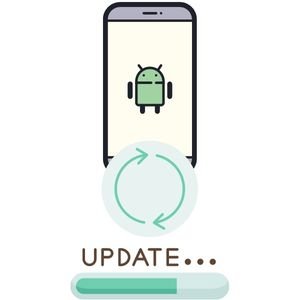
The Android Messages app may only function properly if it has been updated – and Google ensures that all updates are sent through the Play Store.
If you’re looking for Messages, head to the Play Store and search for them. Then visit its info page on Android Messages and ensure you have installed the most recent edition.
11. Reinsert the SIM Card

If your Android Message app is not working, try reinserting your SIM card. Sometimes a connection can become weak or disconnected due to a loose fit, so ensure your card is securely fitted in its slot.
If you still have trouble connecting to Messages, Google suggests removing and reinserting the SIM card as a possible solution. Take out your SIM with the help of an ejector tool, place it back in its slot, and see if this resolves any issues when using the messaging app.
12. Check with the Carrier

When your mobile service provider is experiencing disruptions, Android Messages can become unreliable as it relies heavily on the local carrier. To avoid these potential issues while texting, consider an alternate messaging app that isn’t dependent upon a single network connection.
If you’re having trouble with your carrier’s service, please contact them directly. They should be able to provide further information and resolution while using Android Messages.
13. Reset to Factory Settings

If all else fails, the only solution is a factory reset, allowing your device to return to its original factory settings.
It’s essential to back up your device before a reset to ensure all your data is secure and won’t be affected by the reset. Once you have backed up your device, head to the “Settings” app and search for “Reset,” then follow the prompts to clear out any problems with Android Messages.
A factory reset should only be used as a last resort because it will erase all the data on your device. Once the reset is complete, you must use your backup file to restore the necessary information.
What is a Messaging App?
A messaging app is a software for sending and receiving text, photos, videos, audio messages, and more. It can be used for both personal communication and business messaging. Messaging apps are available for all major mobile devices, including iOS, Android, Windows Phone, BlackBerry OS, Symbian, etc.
Messaging applications enable users to share data regardless of their phone’s carrier signal or internet connection. Unlike SMS and MMS, these apps provide a more comprehensive range of information transmission possibilities, ensuring every message is understood.
Why Sometimes is the Android Message App Not Working?
You might be experiencing issues for many reasons, such as messages not sending or receiving in your Android messaging app. Your first step in resolving this issue is understanding why you have such problems.
If you’re relying on the default messaging app, your texts will not transmit due to insufficient credit in your SIM card or an interruption in the network.
If you’re using messaging apps that require an internet connection, a weak Wi-Fi could cause trouble. However, server issues and global blockages can also render them inoperable. It’s not uncommon to have had experiences on social media when apps like Facebook Messenger, WhatsApp, or Instagram weren’t functioning – usually due to the site being offline.
And if you are not receiving text messages, your message settings might be set to the wrong app. It is best to determine the real cause of your messaging app problems so that you can apply the best possible solution and fix it.
Is Message App Not Working a Common Issue on Android?
Yes. Message app not working is a common issue for many Android users, but it’s not necessarily something that happens all the time. If you’re having trouble with your messaging app, try the suggested fixes above before calling professional help. Sometimes, you must make small changes to get the app back on track.
Is there a Limit for Android Messages?
No. SMS messaging is technically limited to 160 characters per message. Using the default Android messaging app, you can go beyond this limit and send longer messages with Wi-Fi or a data connection. On the other hand, if you do not have a data connection (or if you do not have sufficient credit on your SIM card), you may need to split the message into two or more messages following the 160-character limit.
What Connectivity Does Android Message Need to Send Messages?

Android Messages requires an active network connection to send and receive messages. It can be either Wi-Fi, 3G, 4G, or 5G. It is important to note that if you are in roaming mode (i.e., traveling abroad), this will affect your messaging services, as the local network provider may not support the network connection. If there is no signal, Android Messages will remain inactive until a connection is available.
Does Android Message able to Send Messages to iPhones?
Yes. Android Messages can send messages to iPhones via the Android Messaging app. It uses Apple’s iMessage protocol to exchange messages between devices, provided both devices have a compatible version of iMessage installed and active. Both iMessage and Android default messaging apps can receive text messages from other phone brands or models without problems. You may also ready about How to Recover Deleted Texts on iPhone.
Can I identify if the Message came from an Android or iPhone?
Yes. It is easy to identify if a message comes from an Android or iPhone if you are using iPhone’s default messaging app – iMessage. Apple’s iMessage app shows a blue chat bubble for messages sent from an iPhone and a green one for messages sent from an Android device. You may need to access the message info or contact details for other messaging apps to identify the sender’s phone type.
What is the Difference between SMS Messages from App Messages?
Texting and instant messaging are used for sending text-based messages, yet their communication mediums differ—texting through cellular phone service and IM via the Internet. Although text messages can only contain up to 160 characters, those utilizing instant message services may benefit from longer character limits.
Text messaging may conclude after a single transmission even though its recipient can still reply. Yet, an instant messaging session typically continues until one of the participants decides to terminate it. Both text and instant messaging are generally referred to as “messaging.” However, the two forms of messaging are distinct enough to require an understanding of the differences between them.